My Favorite Inexpensive Biohack
The continuous glucose monitor.

If you really want to understand your health in real time, there is one tool I come back to over and over again:
The continuous glucose monitor.
It is one of the most powerful and accessible ways to see what is actually happening inside your body at any given moment.
At Black Sheep Health, we focus on five core pillars:
Nutrition
Exercise
Sleep
Community
Purpose
And here’s the reality: how your body responds to the foods you eat sits at the center of all five.
I hear this constantly:
“This is healthy for me.”
“This can’t be bad—I saw someone else eating it.”
That may be true.
But it also may not be.
Have you ever seen what oatmeal does to your glucose first thing in the morning when you haven’t exercised?
Have you ever seen what a poor night of sleep does to your blood sugar the entire next day?
A banana for one person might spike glucose to 150.
For someone metabolically healthy and active, that same banana might barely move the needle.
If you’re not tracking, you’re guessing.
And most people guess wrong.
Actionable Steps
Start simple.
Purchase a continuous glucose monitor from Lingo:
Get the two-week starter pod $49.
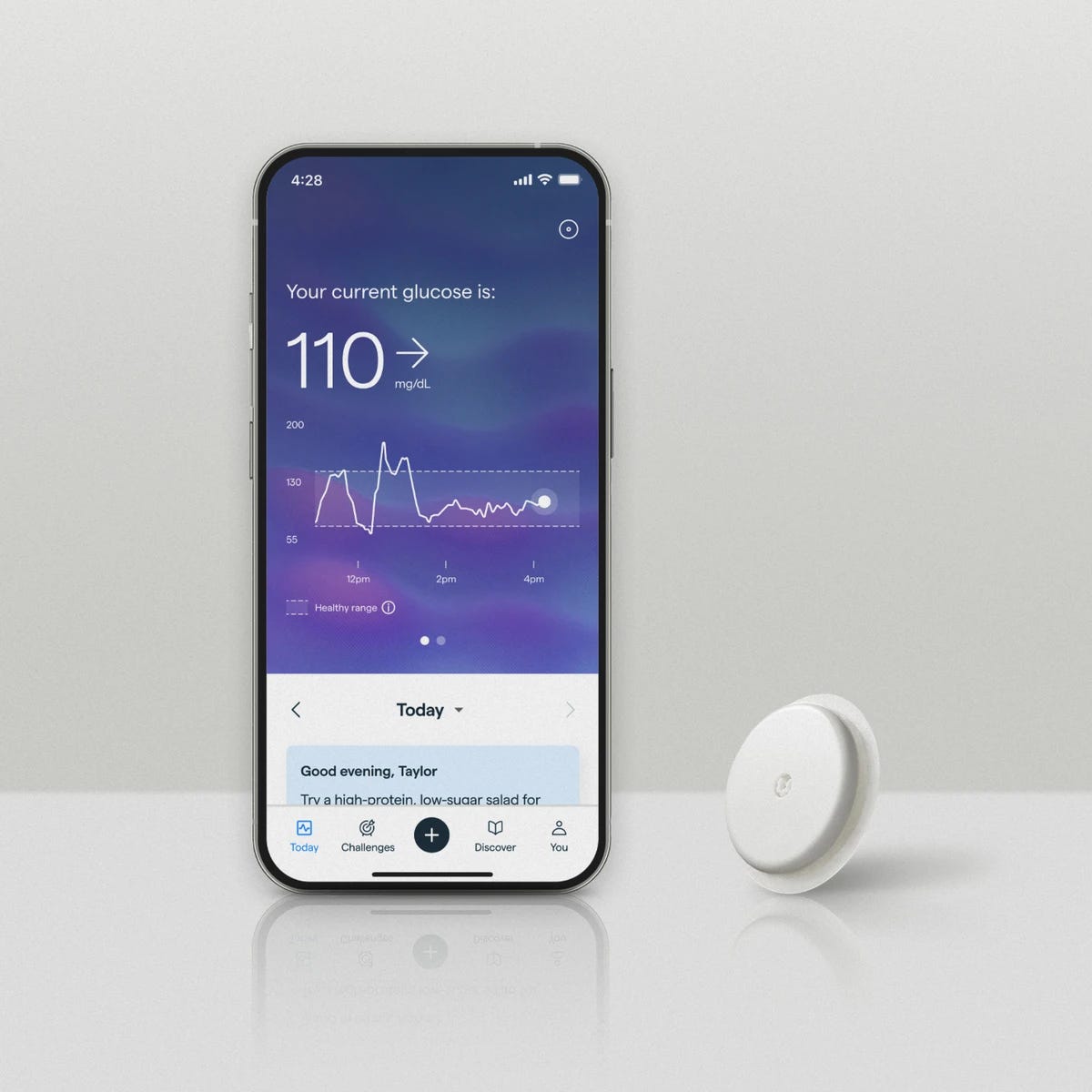
Two weeks is more than enough to change how you see your body.
Once it’s on your arm, here’s what to do:
Spend 2–3 days eating your normal diet to see your baseline
A meal of just meat, eggs, and veggies (my personal preferred diet)
A carb heavy meal (pizza night)
A meal with a nice balance of protein, fat, and carbs
Add in exercise and observe the changes
Go for a walk after meals
Track your sleep and correlate it with next-day glucose
Journal everything
Now layer in exercise intentionally:
HIIT: Expect sharp spikes from catecholamines, sometimes even without food
Zone 2: Typically stabilizes glucose and improves insulin sensitivity
Resistance training: Can cause mild increases during the session, followed by exercised muscles then suck in the extra glucose to make fuel for later, lowering blood sugar to healthy ranges
Casual walk: Often lowers post-meal glucose significantly—one of the simplest tools you have
Photo by Jonathan Borba on Unsplash

Ask better questions:
What happens on high-stress days?
What happens on high-intensity training days?
What happens during Zone 2 work?
Then do something most people avoid:
Make a list of foods you love—and foods you suspect aren’t great for you.
Then turn it into an “experiment in the name of science”
I give you permission.
My personal example:
My ice cream of choice is Breyers Natural Vanilla—very simple ingredients, tastes amazing.
I know it spikes my glucose. I still enjoy it occasionally because it brings me joy.
But my real wake-up call?
Nutella.
One large spoonful kept my glucose elevated until 3 PM the next day.

I remember thinking to myself: I think I can remove this from my cheater snack list. The juice isn’t worth the squeeze.
Hopefully, you have a food that opens your eyes the same way—something you thought was harmless that clearly isn’t for your body.
Also: try a 24-hour fast and observe what happens.
How to Interpret the Data
When I review CGM data with patients, I focus on two things:
How high are the peaks?
How fast do you return to baseline?
If your glucose goes above 150 mg/dL after a meal:
You likely had too many carbohydrates or sugars
Aim to stay below that threshold when possible
Next, recovery:
I want to see glucose return to baseline within 90 minutes.
If it does:
That’s a strong sign your metabolic health is in a good place
If it doesn’t:
This may indicate insulin resistance
It’s a signal—not a failure
And it’s something we can improve.
At Black Sheep Health, I go through my patients’ continuous glucose monitor data—typically on an annual basis—so we can continuously optimize insulin resistance and metabolic health over time.
Why This Matters
Insulin resistance is one of the most important variables in your current and future health.
Most people don’t know they have it.
A continuous glucose monitor removes the guesswork.
It gives you immediate, personalized feedback—on your nutrition, your exercise, your sleep, and your overall lifestyle.
This is not about perfection.
It’s about awareness.
And awareness changes behavior.